What to Actually Look For When Buying a Karate Belt
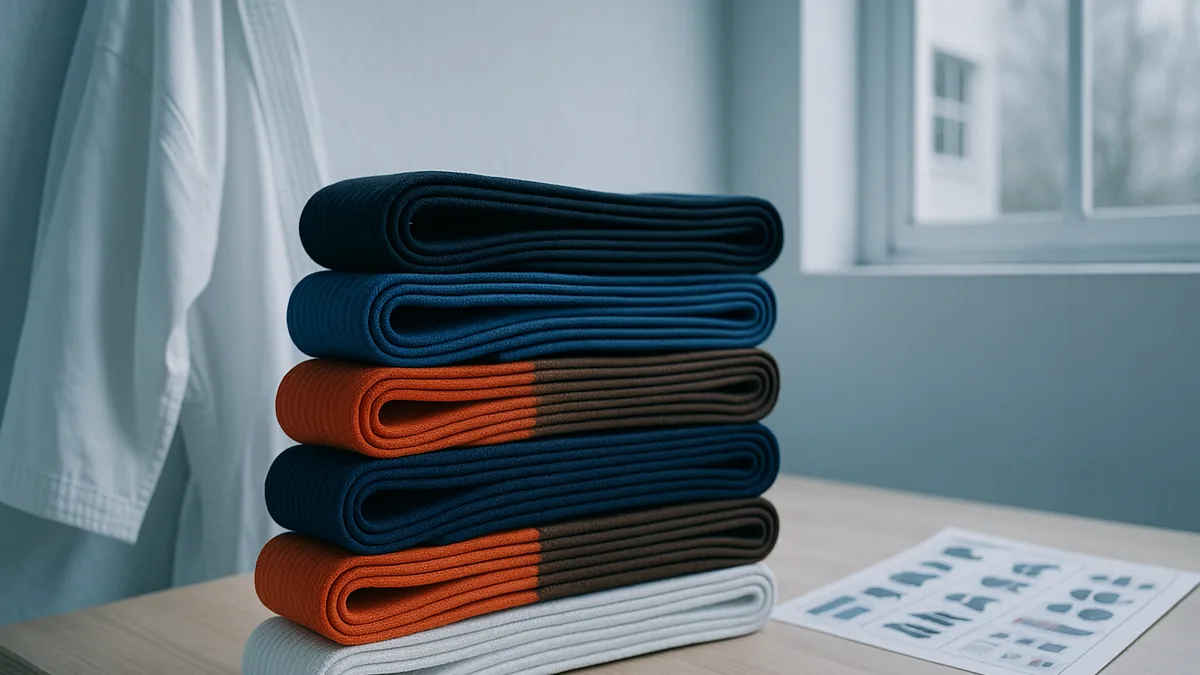
Choosing a karate belt sounds like a five-minute job. For most students it is either an afterthought or an exercise in overthinking. The truth sits somewhere between the two - there are real, practical differences between belts that affect training every single class, and knowing what to look for saves you from wasting money in either direction.
Why Material Quality Is a Functional Issue, Not Just a Preference
The most immediate difference between a well-made belt and a cheap one is how it behaves when you tie it. A belt with genuine weight and density holds a knot across a full session. A thin, floppy belt loosens gradually, and by the end of class it has worked its way around your waist.
That is an irritation at regular training. At a grading or a kata competition, it becomes a real problem. A belt that visibly slips during a performance is not just untidy - it can affect how your performance is judged. That makes construction quality a practical concern, not a cosmetic one.
For most practitioners, standard or heavy-weight cotton is the right choice. Silk and silk-blend belts are more common at black belt level, where the feel and the way the material develops over years of training becomes part of the appeal. Cotton and silk also need to be cared for differently, which is worth knowing before you buy.
How to Judge a Belt Before You Buy It
Price alone tells you very little. Some mid-range belts from reputable karate suppliers are genuinely well-made. Some expensive belts are average material with attractive stitching.
Instead of going by cost or brand name, assess three things:
- Material weight - pick it up and fold it. A good belt has body to it rather than collapsing flat.
- Stitching consistency - check the edge stitching along the full length. It should be even and tight, with no loose threads or gaps.
- Thickness end to end - a quality belt should feel consistent from the centre to the tips, not tapered or uneven.
Also, buy from a supplier that specialises in karate rather than a general sports retailer. Brand recognition in a high street sports shop does not carry over into karate equipment quality.
"A beautifully embroidered belt that falls apart in six months teaches you the wrong lesson about where value actually comes from."
For beginners, mid-range from a reputable karate supplier is the right call. You do not need a premium belt at white or yellow belt. You do need something that will not fray apart inside a few months. If your dojo sells belts directly, start there - your instructor's recommendation is worth more than any catalogue description.
One Thing Most Karateka Do Not Know About Competition Belts
If you train with an eye on open competition, it is worth knowing that at WKF-level events, you do not wear your own grade belt at all. Competitors are allocated a plain red or blue belt depending on their draw position. Personal embroideries, markings, and individual belts are not permitted. Your own belt only matters at club level and gradings.
This does not mean belt quality is irrelevant - quite the opposite, since club and grading training is where most karateka spend the vast majority of their time. But it does put the competition argument into perspective.
Taking Care of What You Have
How you maintain a belt affects how long it lasts as much as what you paid for it. A few straightforward habits make a significant difference:
- Cotton belts - hand-washing is preferred. Machine-washing on a cold delicate cycle is possible, but repeated machine-washing causes shrinkage and wears the material faster.
- Silk and satin belts - do not machine-wash these. Hand-wash with a gentle or specialist detergent.
- Drying - hang the belt to air after training rather than folding it while damp.
- Frequency - washing once a month or every two months is generally sufficient, depending on how often you train.
Storing and displaying a belt properly matters too, particularly at black belt level where the belt becomes something you genuinely want to preserve.
Quick Checklist for Your Next Class
- Does your belt hold its knot through a full session without needing to be retightened?
- Check the edge stitching - is it even and secure along the full length?
- Fold the belt - does it have genuine weight and body, or does it collapse flat?
- Are you buying from a karate specialist rather than a general sports retailer?
- If you have a silk or satin belt, are you hand-washing it rather than putting it in the machine?
- When did you last air your belt properly after training?
- If you are a beginner, have you asked your instructor what they recommend before buying online?
For the complete version, with every drill explained, read Karate Belt Quality: Does It Actually Matter What Belt You Buy? on Karate Lifestyle.
Join the conversation: X · LinkedIn · Pinterest · Bluesky
More from Karate Lifestyle


Comments
Post a Comment