Back on the Dojo Floor: A Practical Guide for Returning Karateka
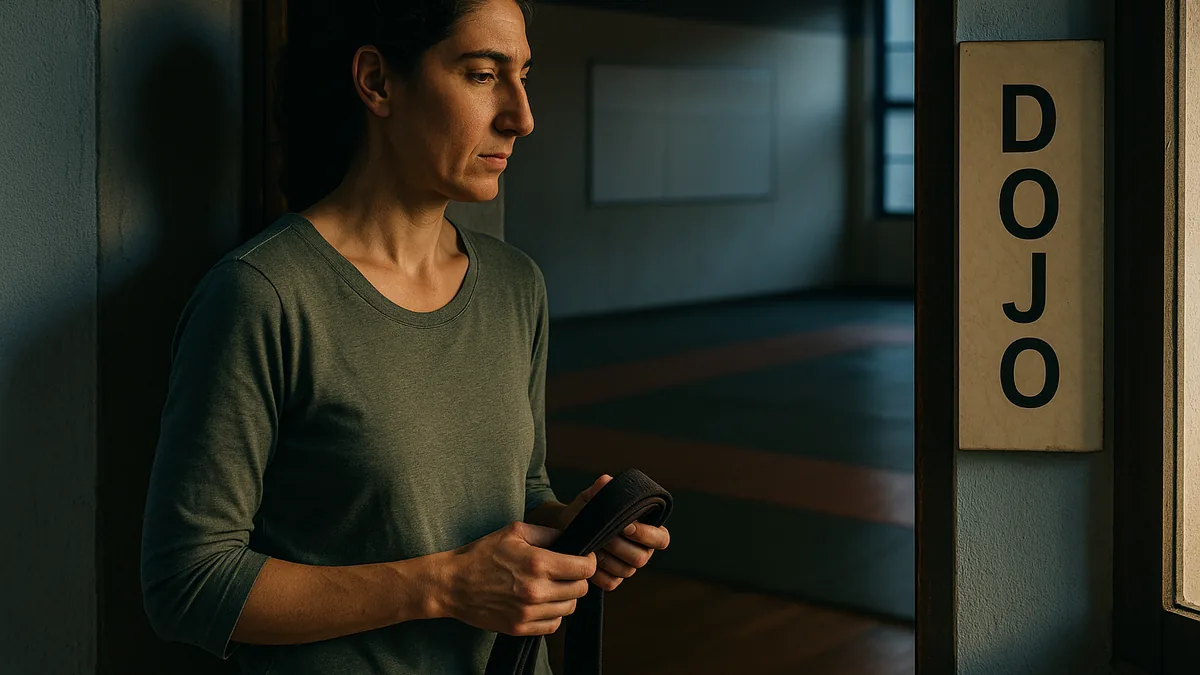
Coming back to karate after a year or more away is not the same as picking up where you left off. The movement patterns are largely still there - motor memory is more durable than most people expect - but the physical capacity that once made those patterns feel effortless has eroded at a different rate. Understanding that gap, honestly, is what separates a successful return from one that ends with a strained knee or quiet discouragement after a few sessions.
This guide pulls out the practical points so you can walk into your first session back with realistic expectations and a sensible plan.
The Mismatch That Causes Most Early Injuries
Here is the core problem: your nervous system is ready to push before your body can safely absorb that effort. Cardiovascular fitness starts declining within weeks of stopping training. Connective tissue - tendons and ligaments - takes considerably longer to recondition, with the remodelling process measured in months rather than weeks.
What this means in practice is that you will feel capable well before you actually are. A common pattern is feeling strong after the second session, training hard in the third, and pulling something in the fourth. The fix is not to hold back on technique - it is to manage intensity and volume. Do the class. Do the kata. But do not go at full power on every repetition, and do not attempt to compress months of missed training into your first few weeks.
Three sessions a week at controlled intensity in the first month is a sensible target. Be honest with yourself about the difference between a muscle that is worked and one that is strained.
"What we recommend for the first month is to treat it as reconnaissance, not performance."
What Returns Quickly and What Takes Longer
Kata sequences tend to come back faster than most returning practitioners expect. The order of movements, the transitions, the turns - these re-emerge with relatively little prompting. What takes longer is the quality inside those movements: the kime, the hip connection, the snap at the end of a technique. The sequence returns before the substance does.
Kumite timing is the slowest thing to rebuild, and it is worth being prepared for that. Timing is relational - it is calibrated against real people moving at real speed, and no amount of solo training fully replicates it. Expect to feel genuinely slow in sparring for the first month or two. That is not a sign that your technique has gone; it is a sign that the read-and-respond loop needs live repetition to rebuild.
A practical approach: start with your most reliable, least timing-dependent techniques in sparring and let the sharper, speed-dependent ones return naturally as your timing recalibrates.
The Mental Side Is Real Too
Returning to a dojo has a psychological dimension that does not get discussed enough. If you left as a brown belt and come back to find people you once trained alongside have moved ahead of you - or that students you were helping to coach are now technically cleaner in several areas - that is a specific kind of uncomfortable.
The mistake many returning practitioners make is resisting correction because accepting it feels like admitting how far they have slipped. That is ego, and it is the single biggest obstacle to getting back to form. The practitioners who return successfully are almost always the ones who take feedback without it feeling like an indictment of where they used to be.
You are not starting from zero. You have context and experience that genuine beginners do not have. But your physical baseline is lower than where you left it, and the sooner you accept that honestly, the faster you will progress.
One more thing that matters more than most people realise: tell your instructor you are returning after a break. Without that context, a coach cannot adjust their expectations or approach. It is a simple conversation that changes how you are coached, and good coaching is the most direct route back to form.
Checklist for Your Next Session
- Tell your instructor you are returning after a break - give them the context they need to coach you properly
- Manage intensity, not technique - do the class fully, but avoid maximum power on every repetition for the first month
- Spend real time on kihon - basics are where your body relearns how to work with your current physical capacity
- Expect kata sequences to return before kata quality - the order comes back first; kime and hip connection follow later
- Start sparring with your most reliable techniques - leave the speed-dependent ones until your timing has rebuilt through live repetition
- Compare yourself to last week, not to five years ago - progress is measured against your current baseline, not your best-ever performance
- If something feels strained rather than worked, stop - connective tissue injuries set your return back by months, not days
For the complete version, with every drill explained, read Returning to Karate After Years Away: What to Expect on Karate Lifestyle.
Join the conversation: X · LinkedIn · Pinterest · Bluesky
More from Karate Lifestyle


Comments
Post a Comment