Sparring Gear: What to Buy, What to Skip, and Why It Matters
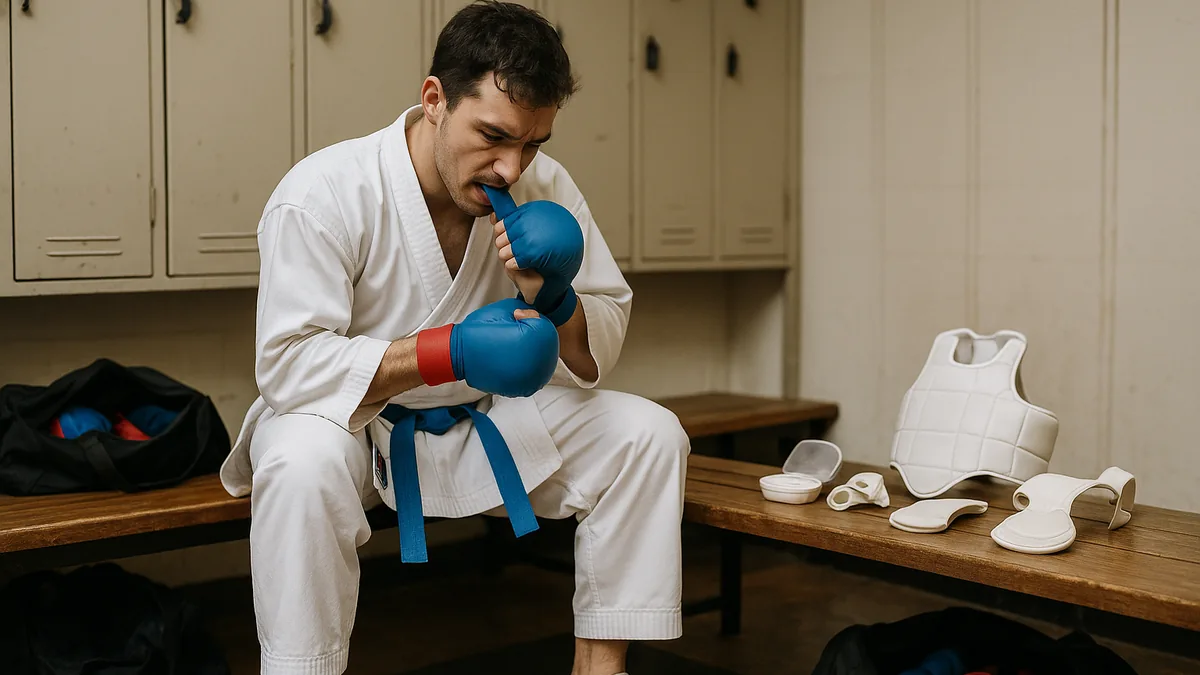
Starting sparring is one of the most exciting steps in karate training. It is also where a lot of people waste money on gear that either lets them down in the dojo or fails a competition equipment check before they throw a single technique. The full article on KarateLifestyle.uk goes into the detail - this companion guide pulls out the practical priorities so you can make better decisions before your next purchase.
Club Gear and Competition Gear Are Not the Same Thing
This is the point that catches most beginners out, and nobody explains it clearly at the start.
The World Karate Federation (WKF) tests and certifies protective equipment for use in officially sanctioned competition. Gear that passes that process carries an approval mark. Equipment without it - most of what you find in beginner bundles and club kit lists - is fine for dojo training but will not pass inspection at a WKF-sanctioned event. Athletes who turn up with non-approved equipment are given two minutes to sort it out mid-competition. That is not a comfortable position to be in.
If you have no plans to compete, decent club-grade gear will serve you well. If competition is on your radar, buy WKF-approved mitts, shin-and-instep protectors, and a body protector from the start - and check for the approval mark before you buy, not after. Replacing kit six months in because it fails inspection is an avoidable expense.
Why Thicker Is Not Always Better
The instinct when you are new to sparring is to buy the most padded gear available. It feels safer. The problem is that heavy padding removes the feedback you need to develop good technique.
With thick gloves, you cannot feel whether you are connecting cleanly. Without that sensation, you start relying on arm strength rather than hip rotation to generate power - and that habit builds quietly over weeks of training. The same principle applies to shin guards. Training in guards that shift on impact or compress too easily can lead to practitioners unconsciously pulling their kicks to protect themselves. As the article puts it:
"Get guards you trust and you will kick properly."
WKF-approved mitts are noticeably lighter than typical club sparring gloves. They feel exposed the first time you put them on. Within a few sessions, the feedback they provide starts sharpening your technique in ways that thick gloves never could.
What to Look for in Shin-and-Instep Guards
WKF-approved shin protection is not a hard-shell guard. It is a combined shin-and-instep unit built from dense, shape-retaining foam - the kind that holds its form through repeated sessions rather than compressing flat on impact. Hard-shell protectors are designed for different combat sports and will not pass WKF competition inspection.
Fit matters as much as construction. A guard that is too long presses into the top of the foot and restricts movement. Too short and the ankle is exposed. When trying them on, test with your gi trousers on and check that the guard stays put through a proper snapping kick, not just a slow extension.
The Gumshield Most People Are Wearing Is Not Doing Its Job
The supermarket boil-and-bite gumshield is on almost every club kit list. Most people buy one, find it fits badly, and either train without it or hold it in their cheek. Neither of those is a good outcome.
The evidence for mouthguard protection in contact sports is clear. A 2019 systematic review found dental trauma in 7.5 to 7.75% of mouthguard users, compared to 48 to 59% among those not wearing one. That is a substantial difference, and it makes a properly fitted gumshield one of the most evidence-backed equipment choices you can make.
A custom shield from a dentist costs more upfront, but it fits properly, stays in place, and after a few minutes you stop noticing it is there. Mid-range options from established brands are a meaningful step up from generic versions if a custom shield is not in your budget right now.
Pre-Class Checklist
- Check approval status - if competition is in your plans, verify your mitts, shin-and-instep guards, and body protector carry WKF approval before you buy
- Try shin guards with your gi trousers on - test a snapping kick, not just a slow extension, and check nothing shifts
- Go lighter on gloves than feels comfortable - feedback from clean contact teaches more than padded thuds that tell you nothing
- Invest in a decent gumshield - a loose shield moves on impact and affects your breathing; a well-fitted one disappears within minutes
- Female competitors and under-14s - budget for an approved chest protector or helmet respectively; these are mandatory under WKF competition rules
- Do not assume club bundle gear meets competition standards - what passes on a Tuesday evening may not pass an equipment check at a sanctioned event
For the complete version, with every drill explained, read Karate Sparring Gear Guide on Karate Lifestyle.
Join the conversation: X · LinkedIn · Pinterest · Bluesky
More from Karate Lifestyle


Comments
Post a Comment