Mouthguard Basics Every Karateka Should Know Before Their First Kumite
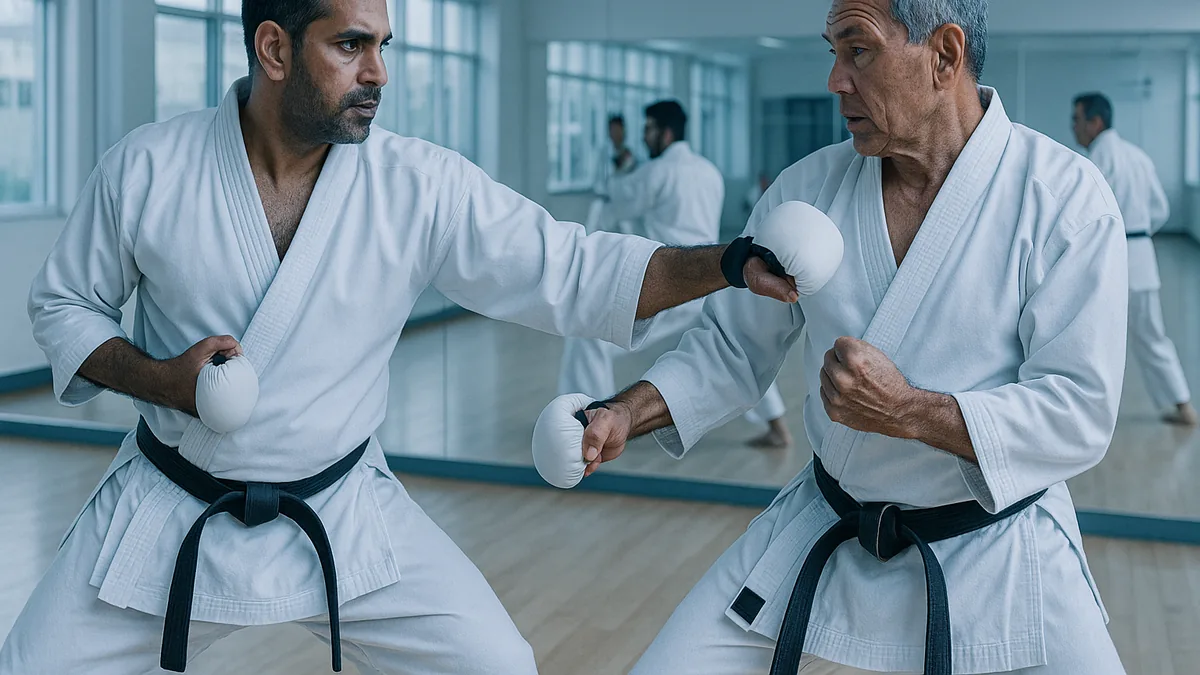
Starting kumite without a mouthguard is one of those beginner mistakes that feels reasonable right up until it isn't. Most new students think protective gear is something you graduate into. With mouthguards, that thinking is back to front. This guide covers the practical side - when you need one, which type to choose, how to fit it correctly, and what WKF competition rules actually require.
When Should You Start Wearing One?
Before your first contact session. Not when you move up a grade, not when you start free sparring properly - before the first drill where a partner's technique might reach your face.
Light contact kumite still produces accidents. A partner misjudges distance, you step forward at the wrong moment, a technique lands slightly off-target. These things happen at every level in every dojo. Assuming they won't happen to you during beginner drills is exactly the kind of thinking that leads to an unexpected trip to the dentist.
If you are training under a WKF-affiliated club and heading toward competition, the rules leave no room for debate. Under the 2026 WKF Kumite Competition Rules, a gum shield is mandatory for all kumite competitors - no exceptions. Beyond the rulebook, there is a practical reason to train with one well in advance: a mouthguard changes how you breathe and speak slightly, and competition day is a terrible time to discover that.
Boil-and-Bite or Custom - Which Is Right for You?
For most club-level practitioners, a boil-and-bite guard from a recognised sports brand is the correct starting point. You heat it, bite down to mould it to your teeth, and it is ready to use. Cost sits somewhere in the £10 to £40 range. It works, and the majority of karateka train with one throughout their club career.
Custom guards, made by a dentist from impressions of your teeth, fit better and feel more comfortable - but they cost significantly more, and they are not available on the NHS. For regular club training, a properly fitted boil-and-bite is adequate. For competition or heavier sparring, a double-layer boil-and-bite or a custom guard is the better choice. Single-layer versions offer less protection and are worth avoiding if you have the option.
The part most beginners get wrong is the fitting itself. Rushing the process - not heating the guard long enough, biting unevenly, not pressing firmly enough - produces a guard that sits loosely and offers little real protection. The test is simple: a correctly fitted guard stays in place when your jaw is relaxed. If you have to clench to keep it from dropping, redo the fitting from scratch.
"A broken tooth is permanent. The risk-reward calculation is different from, say, shin guards."
Caring for Your Mouthguard
A mouthguard rattling around loose in a kit bag picks up bacteria, gets crushed against other equipment, and degrades faster than it should. Neither of those things is good for something you are putting in your mouth during training.
The minimum standard of care is straightforward:
- Rinse it after every session - before it goes away, not when you next need it
- Store it in a ventilated case - not a sealed sandwich bag, not loose in a pocket
- Replace it when it starts to degrade - a guard that has lost its shape or shows visible damage is no longer doing its job properly
These are small habits, but they matter over time. The same discipline that keeps your gi clean and your belt presentable applies here.
A Checklist for Your Next Kumite Session
- Buy a mouthguard from a recognised sports brand before your first contact drill
- Choose a double-layer boil-and-bite over a single-layer version where possible
- Follow the fitting instructions carefully - heat it properly, bite firmly, and check it holds without clenching
- Wear it for all contact work, including controlled partner drills
- Leave it in during class unless you genuinely need to speak at length - you will adapt to it faster than you expect
- Rinse it after training and store it in a ventilated case
- If you are moving toward WKF competition, start training with your mouthguard now, not the week before your first tournament
For the complete version, with every drill explained, read Do You Need a Mouthguard for Karate? on Karate Lifestyle.
Join the conversation: LinkedIn · Pinterest · Bluesky
More from Karate Lifestyle


Comments
Post a Comment