Hikite: Why the Pulling Hand Is Probably Still Letting You Down
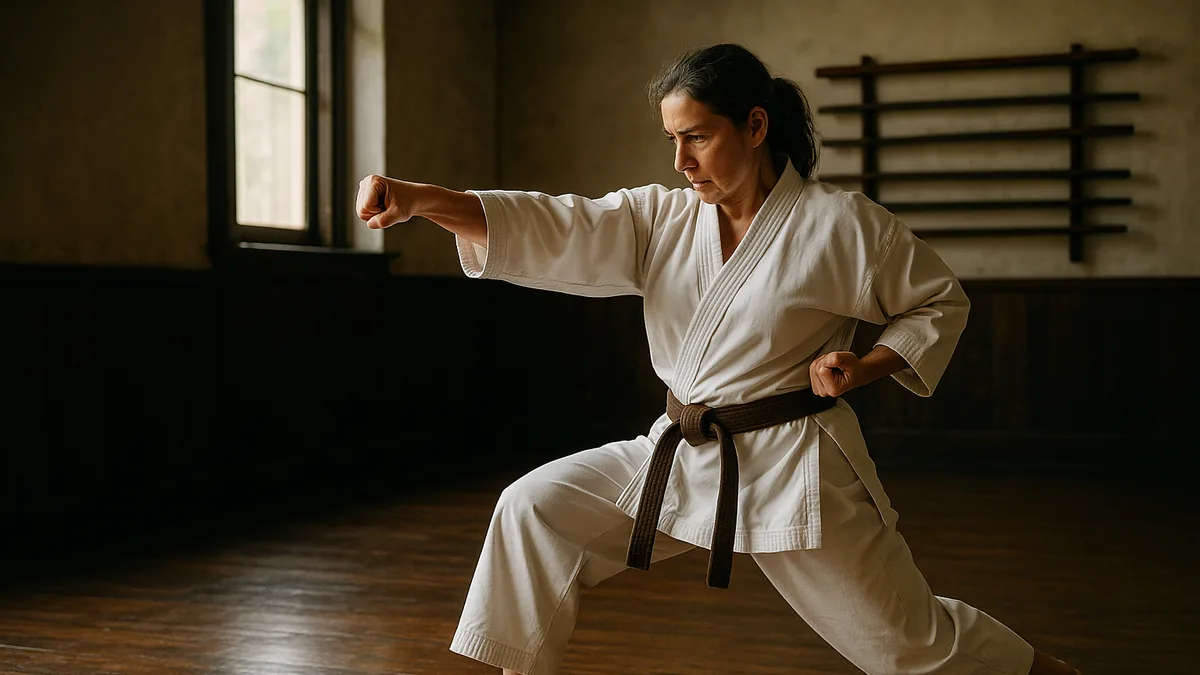
Most karateka have had their hikite corrected dozens of times. Most of them are still making the same mistakes. That is not a character flaw - it is a structural problem with how hikite gets taught and how the brain handles it under the pressure of training. Here is what is actually going wrong, and what to do about it.
The Mistake Hidden Inside the Translation
Hikite means "pulling hand," and that translation is part of the problem. Hear the word "pull" and the natural instinct is to focus on speed of retraction - get the fist back to the hip quickly and consider it done. The hand moves, the shape looks right from the front, and nobody says anything.
But the shape of hikite and the substance of hikite are two different things entirely. What you are actually trying to produce is opposing force through the body - a bracing tension that runs from the retracting elbow, through the lat and across the back, and out through the punching fist. Without that, the punch is working in isolation. It may still be fast, but it is arm speed rather than body speed, and experienced opponents will feel the difference even if they cannot name it.
Three Errors Worth Knowing by Name
The floater is the most common. The hikite drifts back without real muscular engagement - the elbow wanders wide, the shoulder creeps up, and the hand arrives at the hip loosely. It mimics the correct shape while doing almost nothing useful.
The correction that works here is changing the cue entirely. Telling someone to "pull your hikite" produces wrist-led retraction. Telling them to "drive the elbow back and down" produces something qualitatively different: the lat engages, the shoulder drops, and the torso braces like two ends of a rope under tension. Try it and you will feel the difference immediately.
The overgrip tends to appear in conscientious students who have taken the instruction to "tighten the fist on impact" and applied it to both hands at once. The result is a full-body clench that kills hip rotation and turns what should be a dynamic technique into a muscled, static effort. Counterintuitively, the fix is to relax the hikite hand during the movement and only close it fully at the moment the punch lands. This feels wrong at first, but it allows the elbow drive to happen properly.
Timing misalignment is the subtlest of the three and the hardest to self-diagnose. Both hands should reach maximum tension at the same instant. Hikite arriving even fractionally early bleeds the power out before it can transfer; arriving late means the opposing force is not present when the punch actually needs it. This one often requires video or a training partner to catch, because practitioners are usually convinced their timing is fine.
"When hikite is working properly, you don't feel like you're doing two separate things - punching with one hand and pulling with the other."
Why the Correction Keeps Slipping Away
Students fix their hikite during the drill where it has just been mentioned, and revert within ten minutes. This is not laziness. When the brain is managing stance, hip rotation, kime and breathing simultaneously, hikite gets deprioritised because it carries no immediate failure signal - the punch still lands even when the hikite is passive. There is no obvious consequence that tells you the pulling hand was the problem.
What breaks this pattern is giving the body a reference point rather than repeating the verbal correction. Have a student throw gyaku-zuki with the hikite arm hanging loosely and not retracting at all. Then have them throw it again with full engagement. The contrast in feel is immediate and significant, and that felt difference is what makes the improvement persist. Explanation alone cannot replicate it.
A useful mental image that accelerates this: imagine you have seized your opponent's wrist and are dragging it to your hip as you punch. Whether or not you teach bunkai application, this grab-and-pull picture produces better mechanics faster than abstract retraction cues - the elbow drives back, the lat fires, and the timing tends to sort itself out.
Checklist for Your Next Class
- Drive the elbow, not the fist. Before you begin basics, spend thirty seconds consciously initiating every retraction from the elbow.
- Check your shoulder. If it is rising during hikite, the elbow is not leading and the lat is not engaging.
- Relax the hikite hand during movement. Close it fully only at the moment of punching impact, not before.
- Use the contrast drill. Throw three punches with no hikite engagement, then three with full engagement. Notice what changes in the feel of kime.
- Film yourself or ask a training partner to watch the timing. If your hikite is arriving before the punch lands, you are losing power at the critical moment.
- Use the grab-and-pull image. Imagine dragging an opponent's wrist to your hip. Notice whether the elbow drive and lat engagement change.
- Build it into every repetition. Hikite will not become automatic through occasional focus - it needs to be the default, not a correction you apply when reminded.
For the complete version, with every drill explained, read Why Most Karateka Never Fix Their Hikite on Karate Lifestyle.
Join the conversation: Instagram · X · LinkedIn · Threads · Bluesky · YouTube
More from Karate Lifestyle


Comments
Post a Comment