Buying Your First Karate Gi: What Nobody Tells You Before You Spend
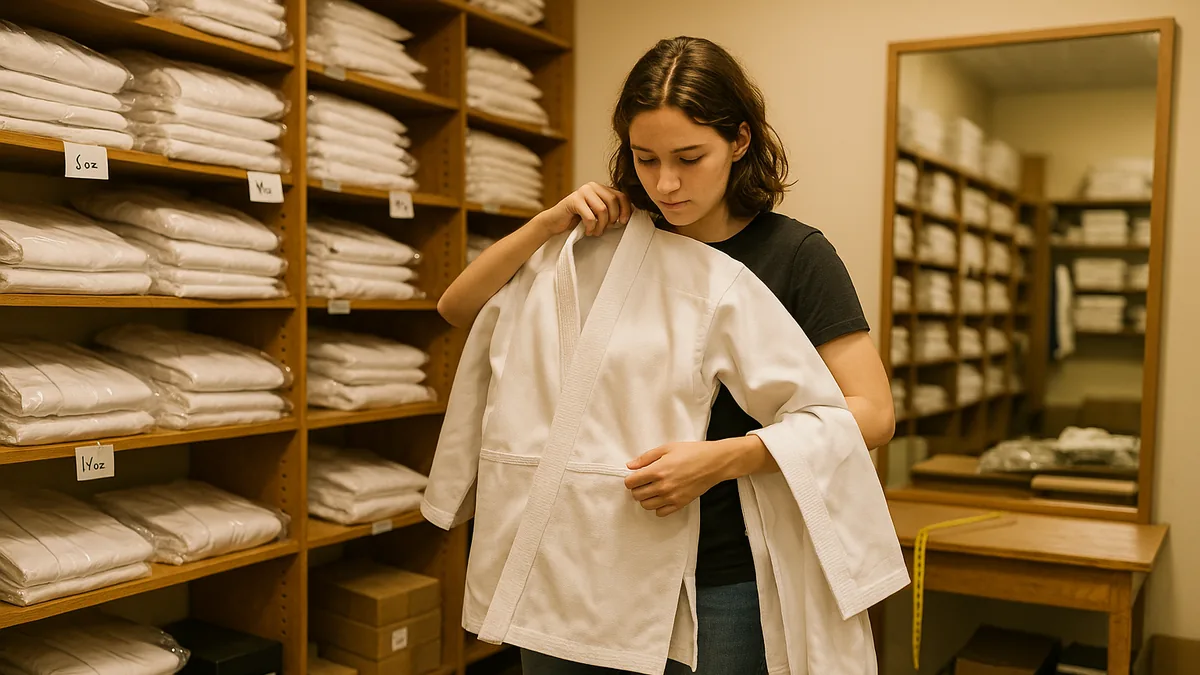
Getting your first karate gi right is not complicated, but it does require a little more thought than grabbing the cheapest white suit you can find online. Most early mistakes come down to one thing: beginners and their parents simply have not been told what to look for. This guide covers the essentials so you can walk into your next session in something that actually works.
Fabric Weight and What the Numbers Mean
The single most overlooked detail on any gi label is the fabric weight, measured in ounces (oz). This is not standardised across brands, so a gi described as "lightweight" by one manufacturer might be noticeably heavier than a "lightweight" from another. Always look for the actual oz figure rather than a vague label.
For a beginner training in the UK, a 7oz or 8oz gi is the most practical starting point. A 7oz suit is comfortable, easy to move in, and well suited to early lessons. An 8oz gi is slightly more durable and remains the most popular choice for regular club training, handling both kata and kumite without becoming restrictive. Heavier gis - 12oz and above - are worth considering later, when you are doing consistent partner work and need something more robust. For now, they can work against you: stiff fabric encourages students to force techniques rather than learning to move efficiently.
Getting the Fit Right
Gi sizing does not work like regular clothing. Most gis are labelled with a size number alongside a height in centimetres - and crucially, the same size number can refer to different heights depending on the brand. Always size by the centimetre measurement, not the number.
Two mistakes come up repeatedly at this stage. The first is buying too large to "grow into it." A gi that is two sizes too big means sleeves past the knuckles, trousers bunching at the ankles, and a student who spends every session adjusting their suit instead of training. A poorly fitting gi teaches the body to compensate, and those habits take time to undo.
The second mistake is ignoring shrinkage. Pure cotton gis can shrink by 4 to 8% in early washes. If a gi fits perfectly straight out of the bag, it may be slightly small after the first wash. Check whether the product is pre-shrunk - some brands do this, which removes most of the guesswork. If it is not pre-shrunk pure cotton, consider sizing one step up from your measured size.
Construction Quality and Price
Before you buy, look at the stitching on the collar, cuffs, shoulders and inner seams. Double or triple stitching on these stress points is the minimum standard worth paying for. The collar in particular takes a significant amount of wear - it gets grabbed, sweated into and washed repeatedly. If it looks flimsy in the product photos, it will not last.
On price, here is an honest breakdown:
- Under £20 - High risk. Fabric quality and sizing consistency are unreliable. Only worth considering if you genuinely need to keep initial costs to an absolute minimum.
- £25 to £50 - The right range for most beginners. Brands such as Blitz, Bytomic and Cimac produce functional, durable starter gis at this price point that will survive a year of regular training.
- £40 to £70 - Noticeably better fabric and construction. Worth considering once you have been training a few months and know you are committed.
- £70 and above - Tournament-grade and specialist gis. Excellent products, but a brand new student will not yet be in a position to appreciate what they are paying for.
As the full article puts it:
"A beginner will not notice the difference between a £30 gi and a £90 gi. An intermediate student will feel it."
One more thing worth clarifying: WKF-approved gis are only required for WKF-sanctioned competitions. For club training, gradings and most local competitions, any well-made gi is perfectly acceptable. Do not factor competition approval into your first purchase.
Checklist for Your Next Class
- Check the oz figure - aim for 7oz or 8oz for your first gi
- Size by centimetres, not the size number, and check whether the fabric is pre-shrunk
- Inspect the stitching on the collar, cuffs and shoulder seams before buying
- Do not buy oversized to save money later - fit it properly now
- Stick to reputable brands in the £25 to £50 range for a first purchase
- Buy from a specialist martial arts retailer where possible - the advice is worth the trip
- Ignore WKF approval for now - your club will tell you when and if it matters
For the complete version, with every drill explained, read Best Karate Gi for Beginners on Karate Lifestyle.
More from Karate Lifestyle


Comments
Post a Comment